
Home Insulation in Melbourne
Keep the warmth in through winter and the heat out in summer, and spend less on heating and cooling.
- VEU-accredited
- Trading since 2017
- 5,000+ energy installs across Victoria
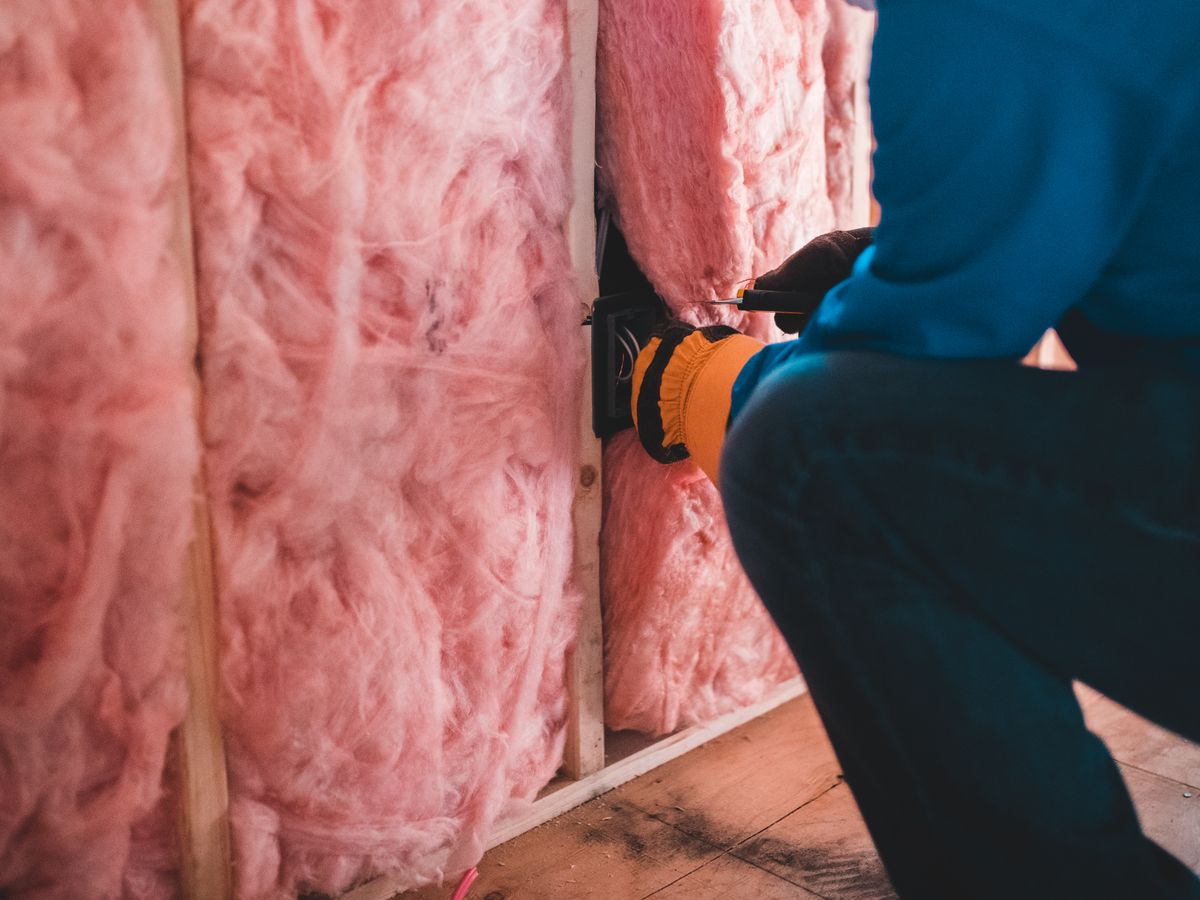
HP Energy installs ceiling, wall and underfloor insulation in homes across Greater Melbourne. Insulation slows heat moving through your roof, walls and floors, so rooms stay at a steadier temperature whatever the weather outside. Your heating and cooling run less, and your bills come down. Eligible homes can get a Victorian Energy Upgrades (VEU) rebate on ceiling insulation.
Why insulation matters
Most homes lose a large share of their heat through an uninsulated or under-insulated roof. Insulation acts as a thermal barrier: it holds heated air in during winter and blocks radiant heat coming through the roof in summer.
You don't see insulation once it's in, but you notice the difference:
- Rooms stay warmer in winter and cooler in summer
- Temperatures stay steadier through the day and night
- Heating and cooling run less often, which lowers your bills
- Less outside noise comes through the roof
It suits any Melbourne home, and especially older houses, elderly homeowners, and rental properties.
Victorian Energy Upgrades (VEU) ceiling insulation rebate
Eligible Melbourne homeowners and landlords can get a discount on ceiling insulation through the Victorian Energy Upgrades (VEU) program. The amount depends on your ceiling size and current certificate prices, so we confirm it in your quote.
What the rebate does
Takes a VEU discount off the cost of ceiling insulation for eligible homes. Some co-payment applies.
Who may qualify
Houses, townhouses and top-floor apartments built or renovated more than 5 years ago. The ceiling must have no insulation, reflective foil only, or insulation averaging below R2.0 (usually under about 90 mm thick).
Safety first
Every VEU job starts with an electrical and roof safety check. Non-IC-rated halogen downlights and unsafe wiring must be fixed before installation.
We check your eligibility for free when you enquire. See all current programs on our Rebates & Incentives page.
Built for Melbourne's climate
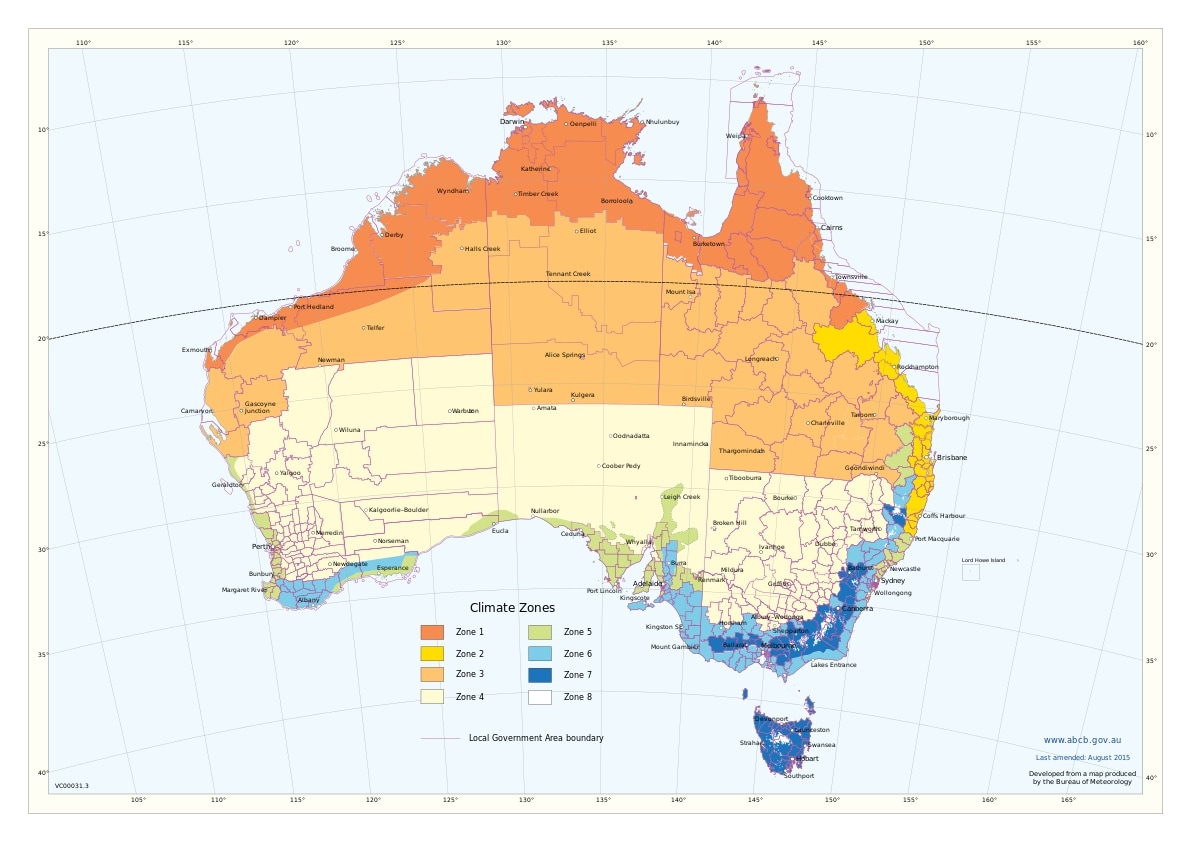
Melbourne sits in Climate Zone 6 under the National Construction Code (NCC): mild-temperate, with cold winters and hot summer spells. Some higher, cooler areas nearby, such as Ballarat and the ranges, fall in Zone 7. Hot air rises, so in Victoria a large share of winter heat escapes through the roof. That makes the ceiling the first and most important place to insulate, and the more insulation you can fit there, the better.
An R-value measures how well a material resists heat flow. The higher the number, the better it insulates. The NCC rates the whole roof or wall system, counting the insulation, the structure, air gaps and surfaces.
- Ceilings: high-resistance bulk insulation, typically R5.0 to R6.0, keeps warmth inside in winter.
- Summer heat: pairing bulk insulation with reflective foil and a clean, enclosed air gap reflects much of the sun's radiant heat before it reaches your ceiling.
Watch: how insulation keeps your home's temperature even, whatever the weather outside.From Your Home, the Australian Government's guide to sustainable homes.
What we install
Ceilings, roofs, walls and floors
| Product | Best for | How it works |
|---|---|---|
| Bulk batts and blankets (polyester, glass wool, rockwool, natural wool) | Flat ceilings under pitched tile or metal roofs | Millions of tiny still-air pockets slow heat flow. Laid without compression so they keep their full R-value. Selected batts are VEU-rebate eligible. |
| Rigid board (extruded polystyrene, with or without foil) | Cathedral ceilings and tight roof spaces | High-density boards give strong resistance where there is little room. |
| Loose-fill (cellulose, polyester, wool, granulated rockwool) | Irregular ceiling spaces and hard-to-reach gaps | Blown in to fill around obstructions. |
| Reflective foil laminate (RFL) and sarking | Under roofs and inside wall cavities | A bright aluminium face next to an enclosed air gap reflects radiant heat and also acts as a vapour barrier. |
| Floor insulation | Concrete slabs, suspended timber floors, tiled and stone floors, and upper-level or loft floors | Stops heat escaping through the floor in winter. We choose the method and material to suit how your floor is built. |
We can top up existing insulation, or remove and vacuum out old, dusty insulation and replace it. We recommend the best option for your roof space and budget.
Removing old, dusty insulation and vacuuming the ceiling space also leaves cleaner air in the roof, which many households with young children, or anyone with asthma or breathing issues, appreciate.
Why choose HP Energy
Insulation is the first step in an efficient, all-electric home, and we install the rest too.
Smaller heating and cooling loads
Your reverse-cycle air conditioner and heat pump hot water run less often and last longer.
More from your solar and battery
Lower evening heating and cooling use leaves more stored power for the rest of the home.
Careful installation
Full coverage with no gaps, uncompressed batts and clean reflective air gaps, so your home gets the R-value it paid for.
One company for the whole home
Insulation, draught proofing, solar, batteries, heat pumps and heating and cooling, with bundle options and finance available.
How it works
- 1
Enquiry
Tell us what's wrong: cold rooms in winter, hot rooms in summer, or high heating and cooling bills.
- 2
Quote or assessment
We can give you a quick quote from photos and measurements, or visit for a detailed on-site assessment. On site we inspect your roof space, walls and subfloor, take measurements and photos, and check your VEU eligibility. A travel fee may apply for some areas, and we'll tell you upfront.
- 3
Options
You get a clear quote with price-friendly options to suit your budget, including any rebate.
- 4
Installation
HP Energy-trained installers complete the work. The homeowner or tenant needs to be home.
- 5
Comfort
You feel the difference from the first cold night.
Frequently asked questions
QMy house is cold in winter and hot in summer. Will insulation help?
Yes. An uninsulated or under-insulated ceiling is one of the main ways heat escapes in winter and gets in during summer. Insulation, together with draught sealing, keeps the temperature inside steadier, so you need less heating and cooling.
QWhat R-value do I need in Melbourne?
Melbourne is in NCC Climate Zone 6, and some nearby cooler areas are in Zone 7. We typically recommend R5.0 to R6.0 bulk insulation for ceilings. Adding reflective foil with an air gap helps block summer heat.
QAm I eligible for the VEU ceiling insulation rebate?
You may be eligible if your home is more than 5 years old and the ceiling has no insulation, foil only, or insulation below R2.0 (usually under about 90 mm). It applies to houses, townhouses and top-floor apartments. We check your eligibility when we quote.
QDoes insulation help in summer too?
Yes. Bulk insulation slows heat moving down from a hot roof space, and reflective foil with an enclosed air gap reflects much of the sun's radiant heat. Together they keep rooms cooler, so your air conditioner works less.
QCan you top up or replace my old insulation?
Yes. We can top up what's there, or remove and vacuum out old, dusty insulation and install new. We recommend the right option after inspecting your roof space.
QDo you install underfloor insulation?
Yes. We insulate most floor types, including concrete slabs, suspended timber floors, tiled and stone floors, and upper-level or loft floors. The method and material depend on how your floor is built. Combined with ceiling and wall insulation and draught proofing, it gives the biggest improvement in comfort and energy use.
Ready for a warmer, quieter, cheaper-to-run home?
Book an assessment and we'll find where your home is losing heat, check your VEU rebate eligibility and give you clear options to suit your budget.